
The Spring Gluten-Free Table
A High Plains Cookbook — Spring Edition
Blooming with lavender, berry, and prairie elegance
Spring in the Kitchen
A cinematic journey through the gluten-free table — original music by L. Angeline

A High Plains Cookbook — Spring Edition
Blooming with lavender, berry, and prairie elegance
A cinematic journey through the gluten-free table — original music by L. Angeline
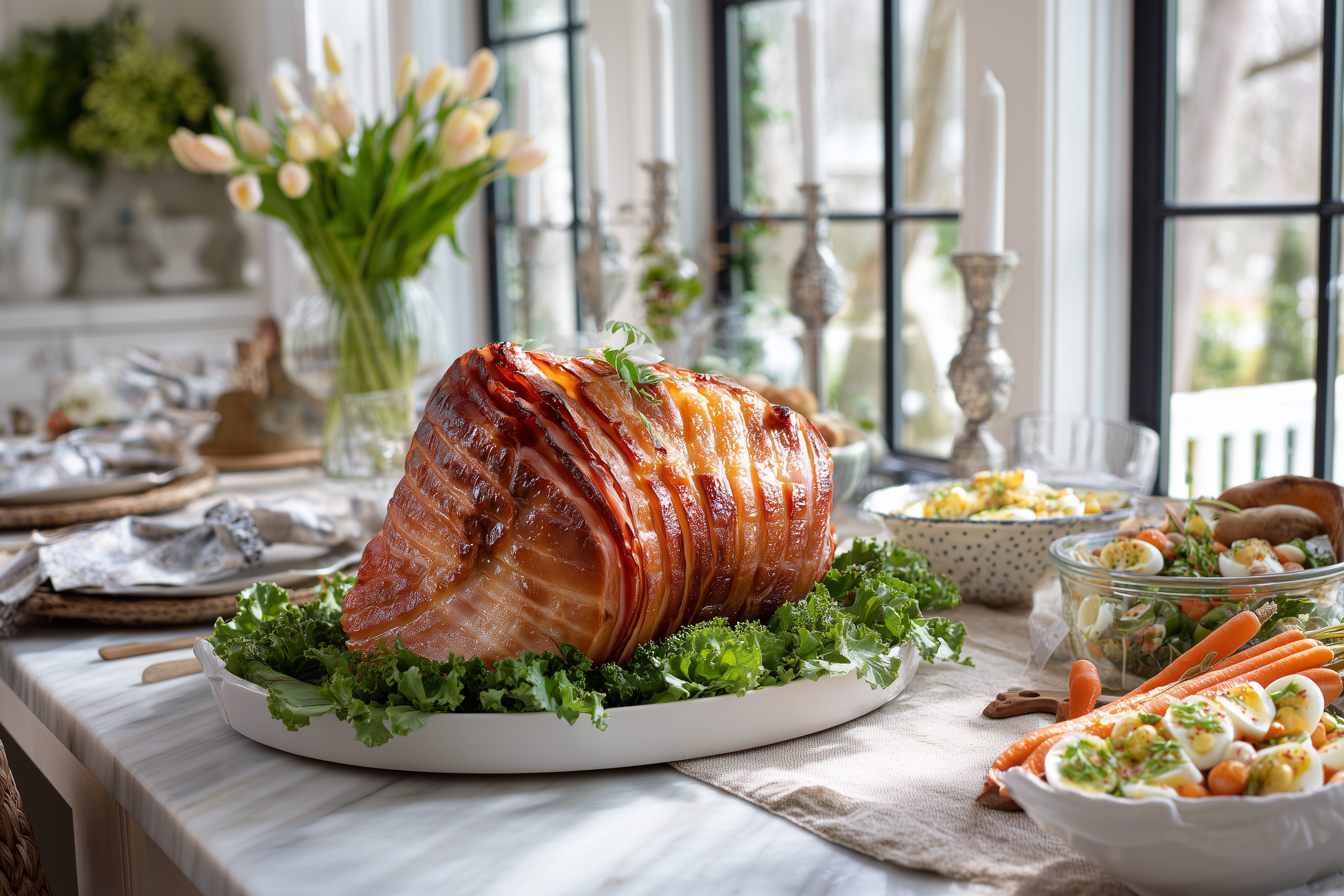



Low heat prevents dryness. Frequent basting builds flavor in layers, not all at once. Resting locks in the juices — cut too soon and they run straight out onto the board.
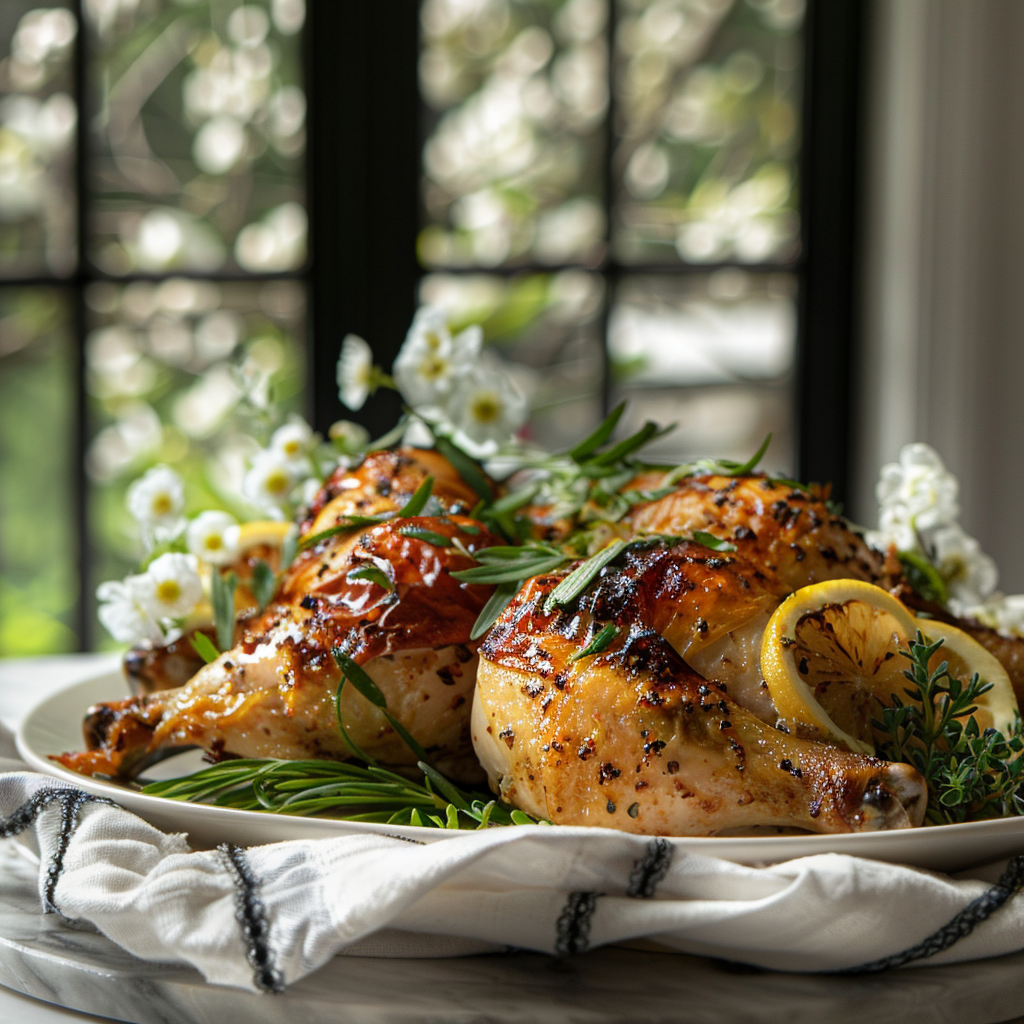
Dry skin is crisp skin. Wet skin steams instead of roasts and you get leather. Bone-in pieces stay moist longer than boneless. Do not crowd the pan — crowding creates steam, and steam is the enemy of a crust.
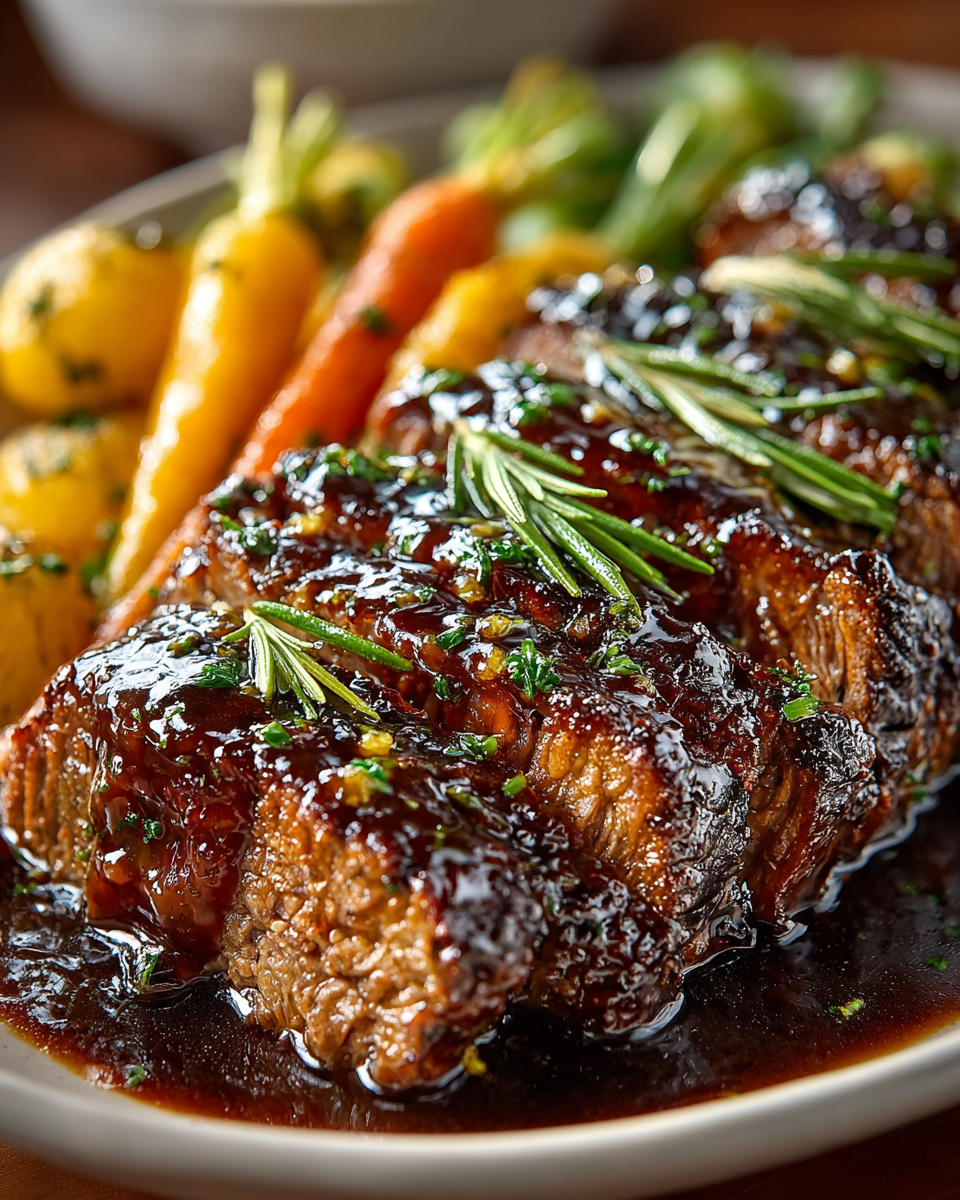
The sear is not optional. Grey meat going into a braise is flavor left on the counter. That crust is the entire foundation of the final dish.
300°F is not a suggestion. At low heat, collagen converts to gelatin over time and the chuck becomes silk. Above 325°F the muscle fibers tighten before that conversion can happen. You get tough instead of tender.
Cornstarch gravy, not flour. Cleaner finish, no raw starchy aftertaste, naturally GF. Check your broth label — commercial beef broth is a common hidden gluten source. Kettle & Fire and Pacific Foods are reliably safe.
Identical to the oven version above — no changes to the ingredient list.
InstructionsDeglaze completely before sealing. Any browned bits stuck to the bottom of the pot will trigger a burn notice mid-cook and stop the whole process. The wine deglaze is not optional in the Instant Pot the way it is merely important in the oven — here it is mandatory.
Natural release is the rest period. The oven version rests for 15 minutes after the oven; the Instant Pot version rests under natural pressure release for 20 minutes. Quick-releasing immediately tightens the muscle fibers after all that work loosening them. Give it the 20 minutes and the texture holds.
The gravy will be thinner than the oven version because the Instant Pot does not allow evaporation during cooking. The Sauté reduction step after opening the lid is where you get it back to the right consistency. Do not skip it and do not rush it — give it 5 minutes of active simmering.
75–90 minutes at high pressure equals approximately 3 to 3.5 hours in a 300°F oven in terms of collagen breakdown. The result is genuinely comparable — not a shortcut that costs you quality, a shortcut that costs you nothing but time.
Cut the roast into 3–4 large chunks before searing if it does not fit in a single layer in your Instant Pot. Smaller pieces also take pressure slightly better — 65 minutes for chunks versus 75–90 for a whole roast.
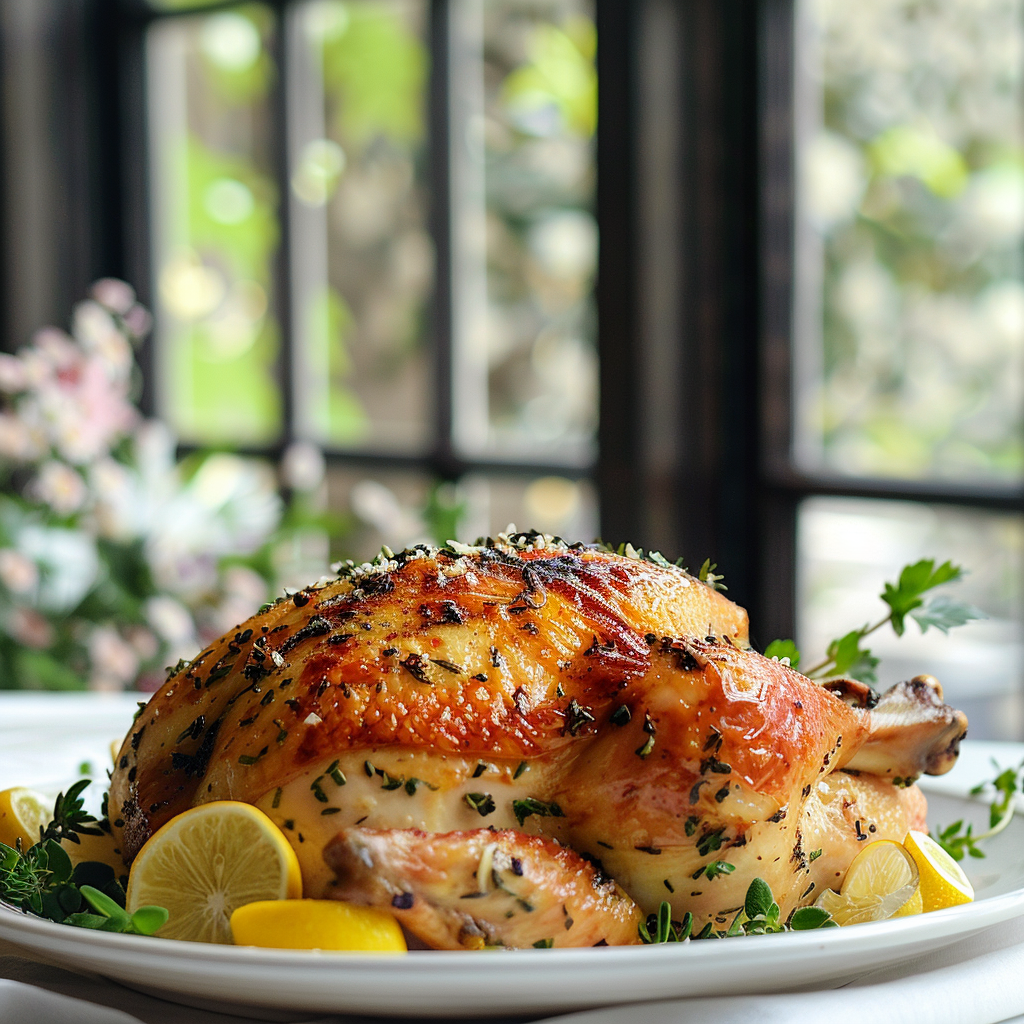
The 45-minute rest at room temperature before roasting is not optional. A cold bird going into a hot oven cooks unevenly — the outside is done before the inside catches up. Room temperature gives you an even cook from edge to center.
Butter under the skin is where the flavor actually lives. The skin acts as a barrier; anything rubbed only on the outside stays on the outside. Push it all the way to the thighs and let it melt directly into the meat as it roasts.
The cavity aromatics do not stuff the chicken in the traditional sense — they perfume the interior as the bird roasts and the steam carries through the meat. Squeeze one of the lemon halves lightly before tucking it in to release a little juice into the cavity.
Start high, finish lower. The 425°F blast at the beginning sets the skin and begins the browning. Dropping to 375°F lets the interior come to temperature gently without drying the breast meat before the thighs are done.
Rest without foil. Tenting with foil traps steam and turns crispy skin soft in minutes. The bird retains enough heat to finish resting uncovered. Fifteen minutes minimum — twenty is better. The juices redistribute and every slice is better for the wait.
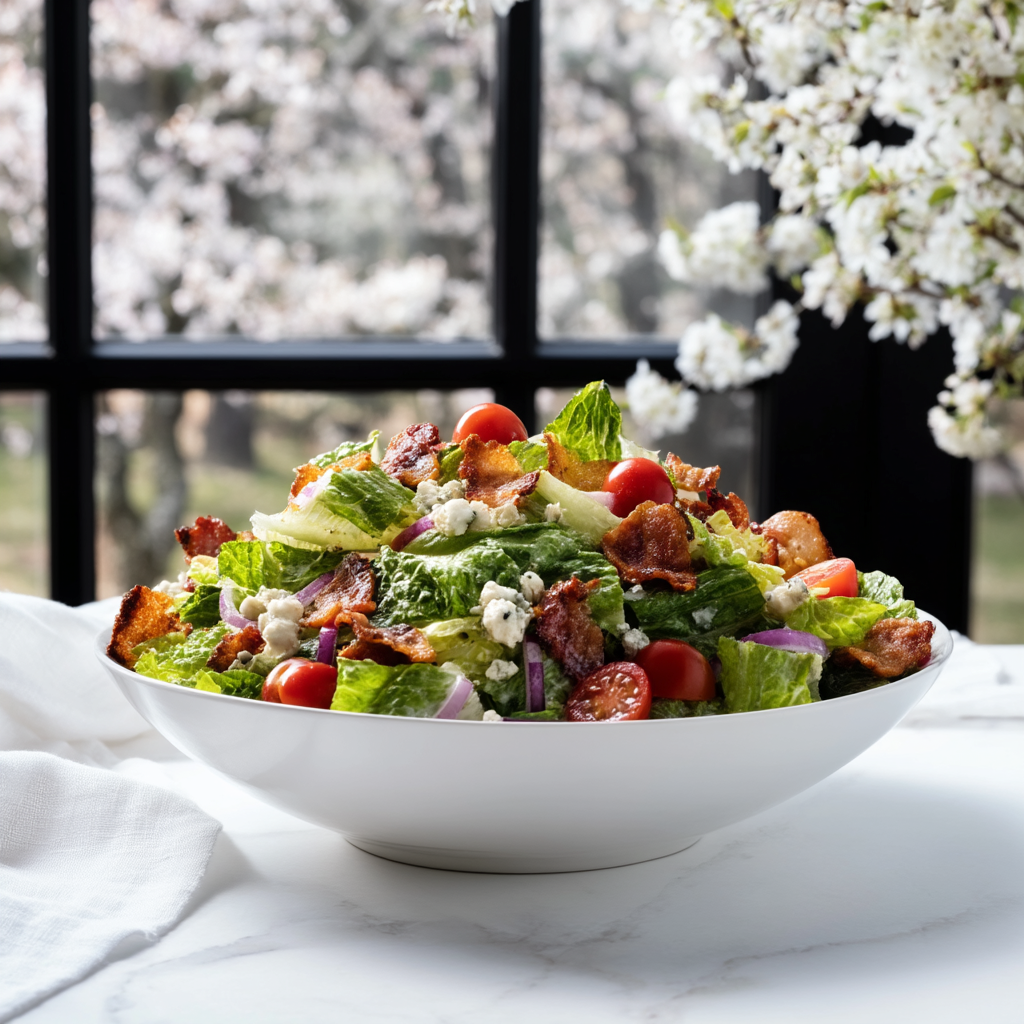
The fine chop is the whole point — this is not a Caesar, this is a salad where every bite has every ingredient. Dress lightly and in layers. Too much dressing and you have coleslaw.
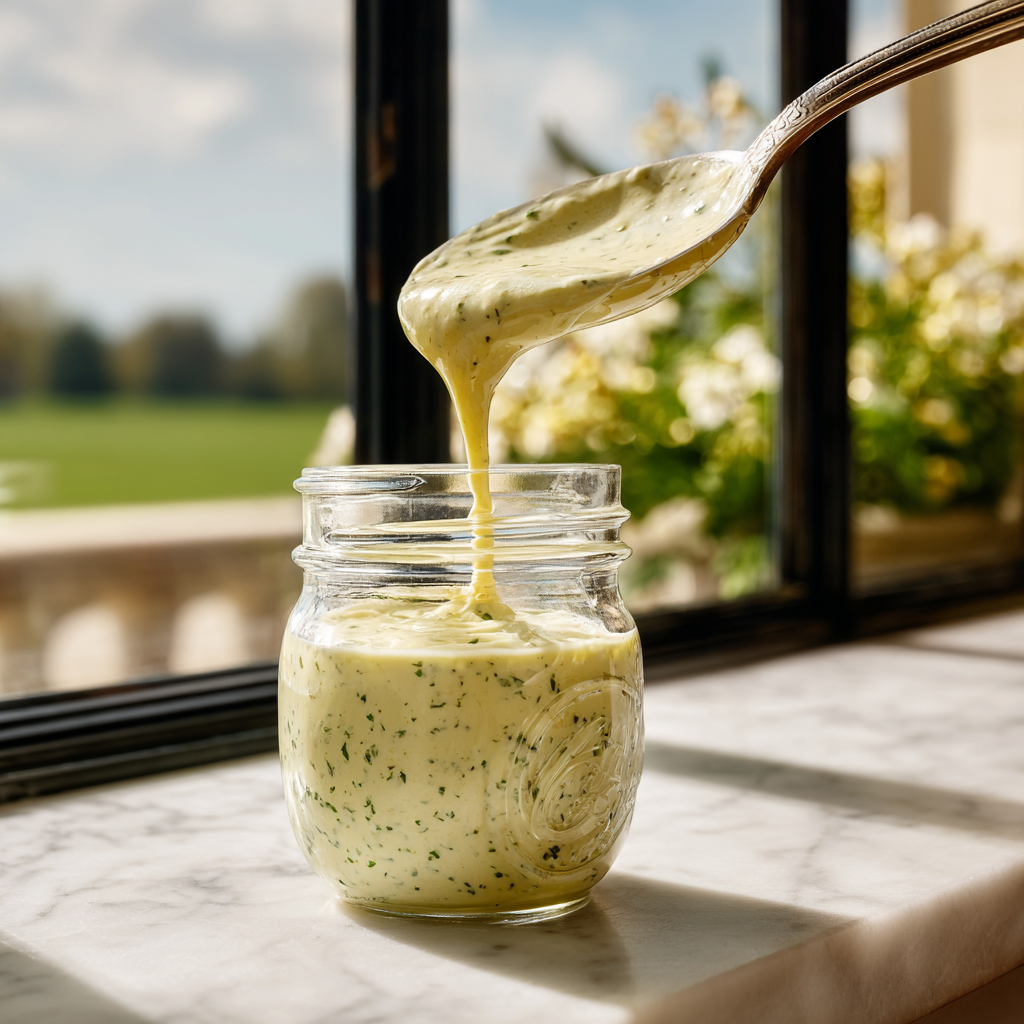
Chill time transforms this dressing. Fine garlic prevents harsh bites. The water creates the correct restaurant texture — thin enough to coat, thick enough to cling. This is a creamy dressing, not a vinaigrette. Do not confuse them.
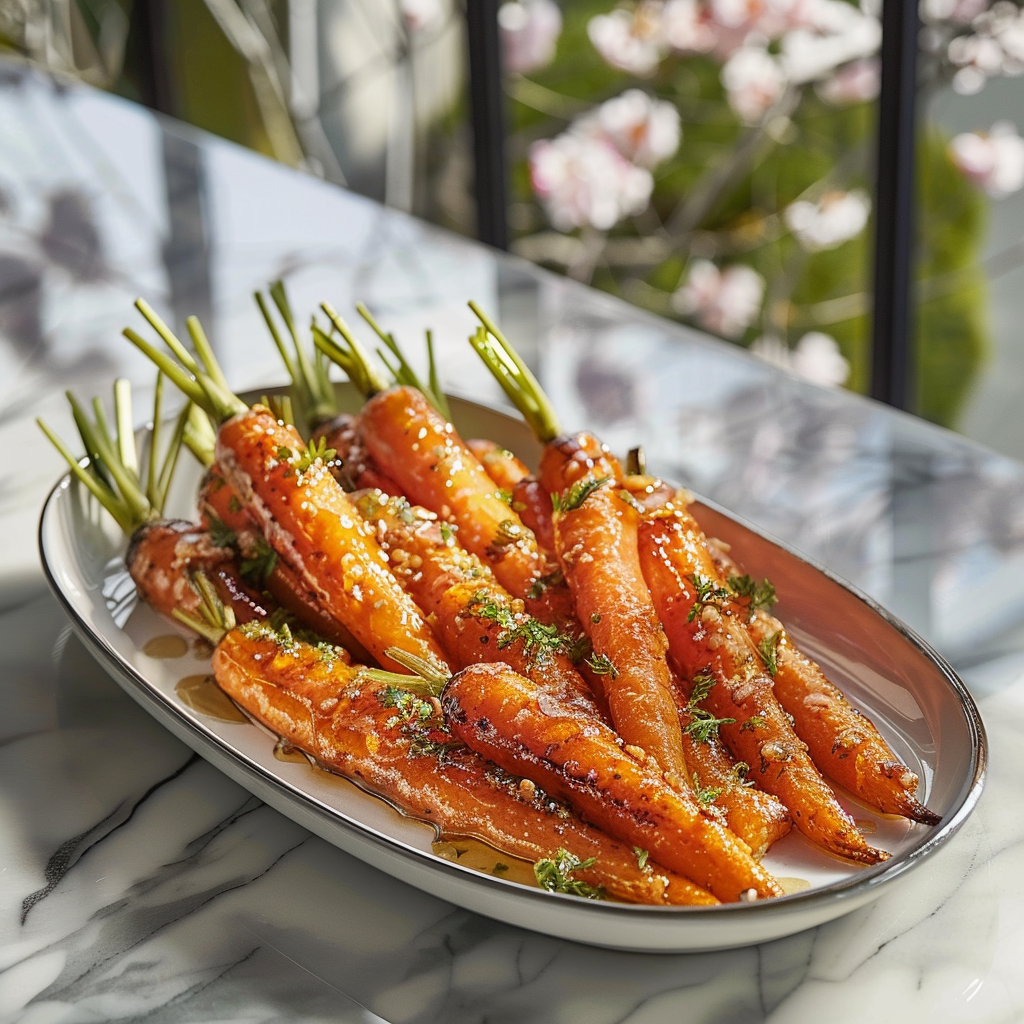
Brown butter is the depth this dish needs — plain melted butter is a different recipe entirely. High heat caramelizes the edges; uniform size means they finish together.
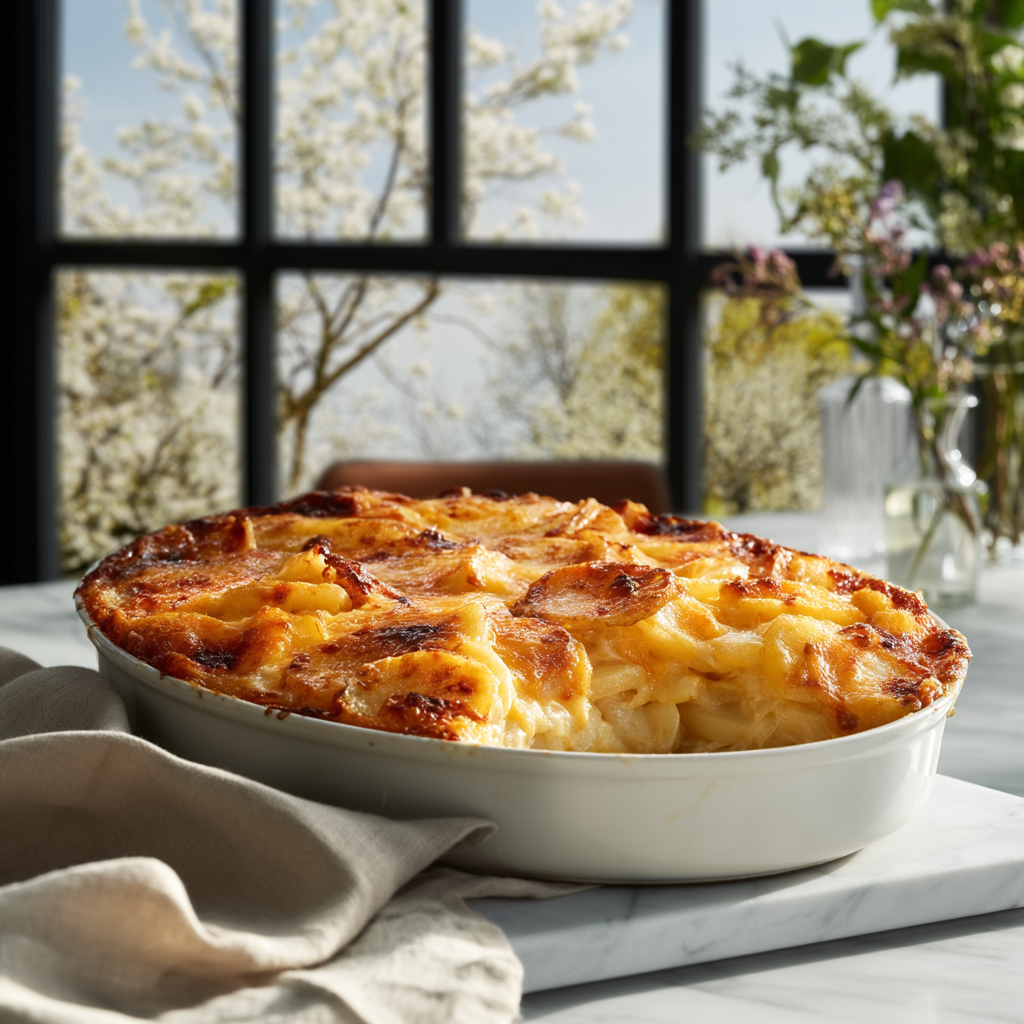
Even slices are the whole game — uneven slices mean some are overcooked and some are raw in the same dish. A mandoline is worth owning for this reason alone. Resting is not optional; cut too soon and it slides apart.
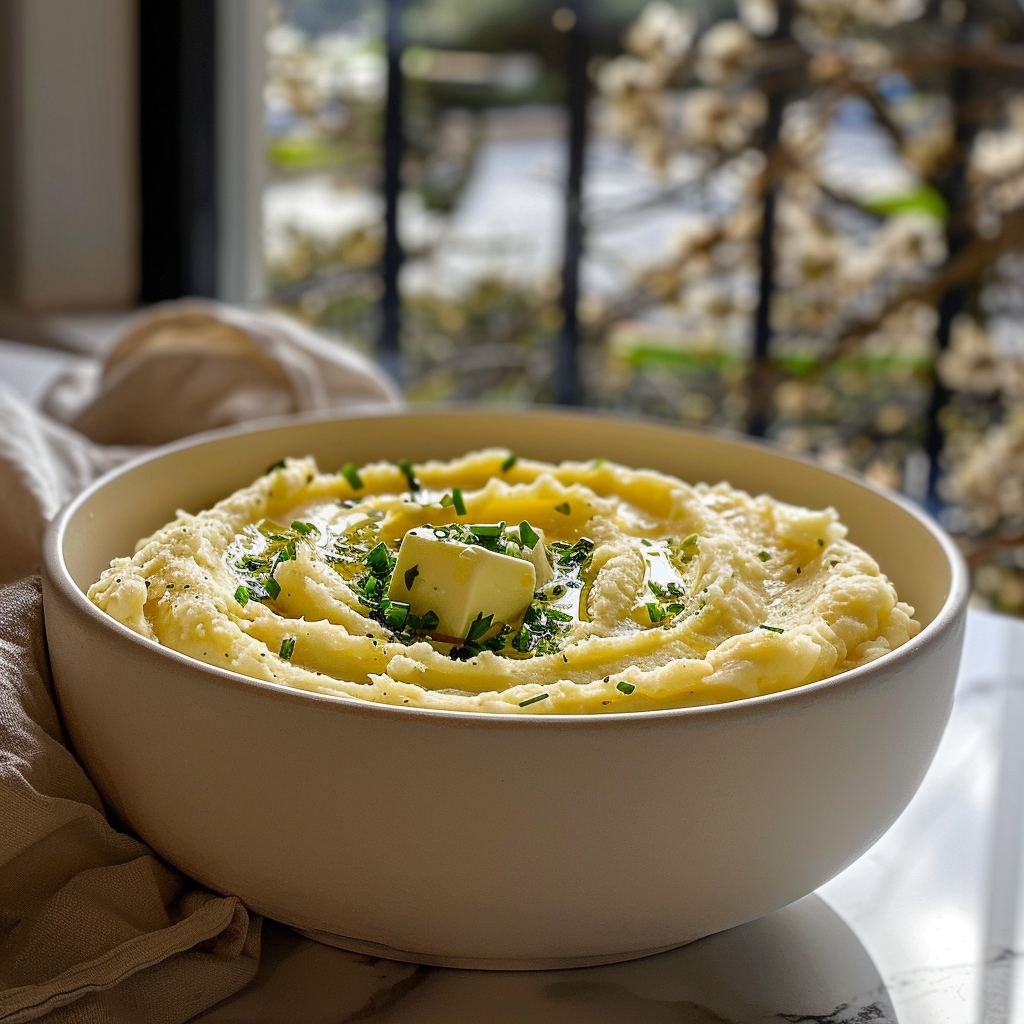
Never cook the apples with the potatoes — they finish at different times and the flavors stay cleaner when cooked separately. Warm cream only; cold cream cools the mash and makes it gluey. White pepper keeps the color clean.
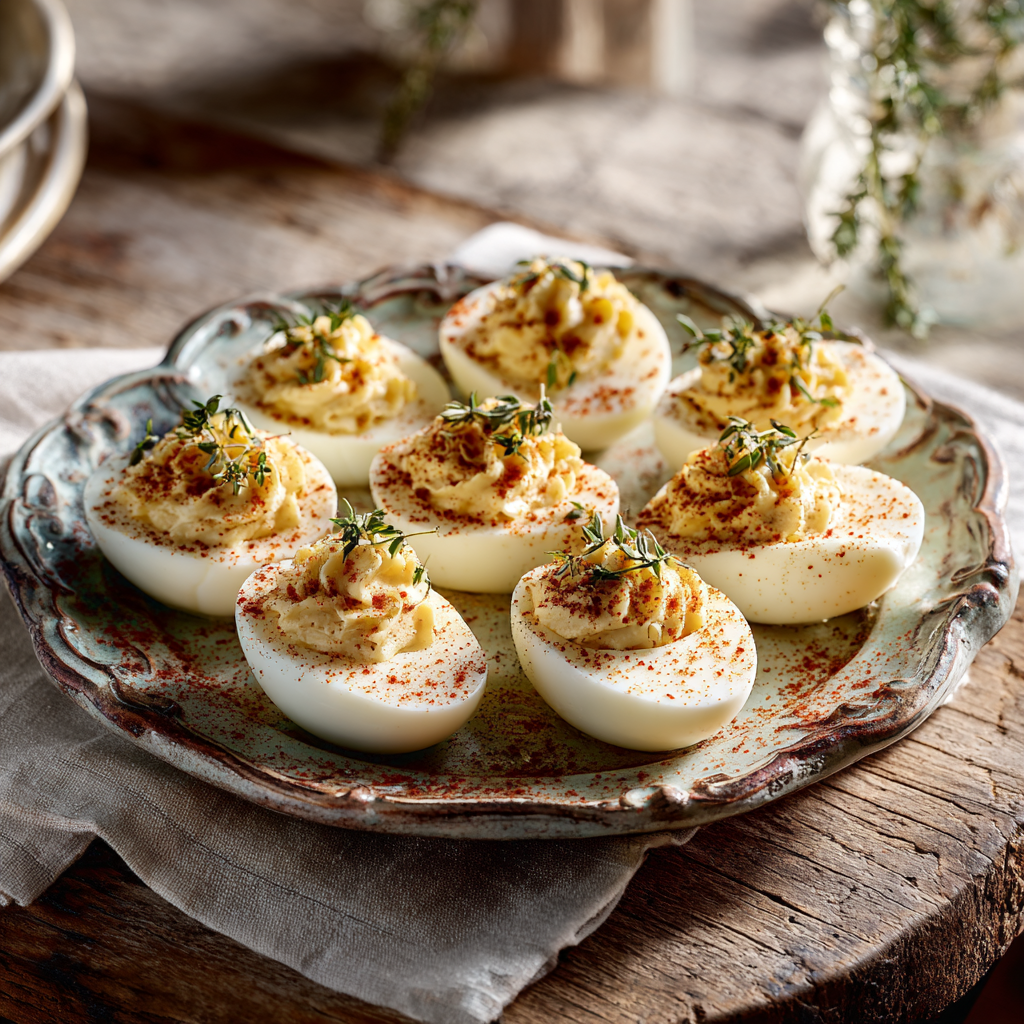
Add a splash of pickle juice to the filling for brightness. Pipe for a clean look — a zip-lock bag with the corner cut off is all you need. Make them the day before and refrigerate; they are better for it.
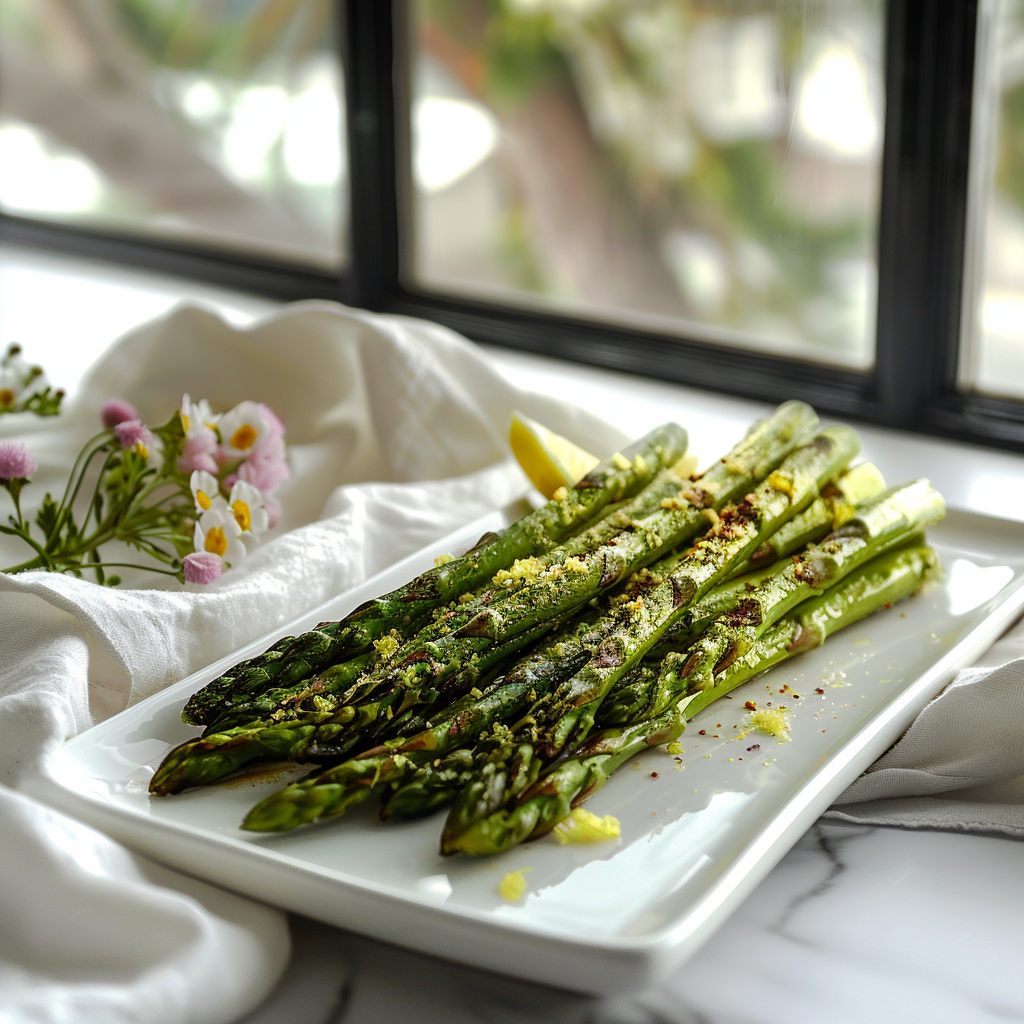
High heat only. Low heat produces soggy asparagus, which is a different vegetable entirely. Do not crowd the pan or they steam instead of roast. The lemon goes on after the oven, not before — acid added before cooking dulls the color.
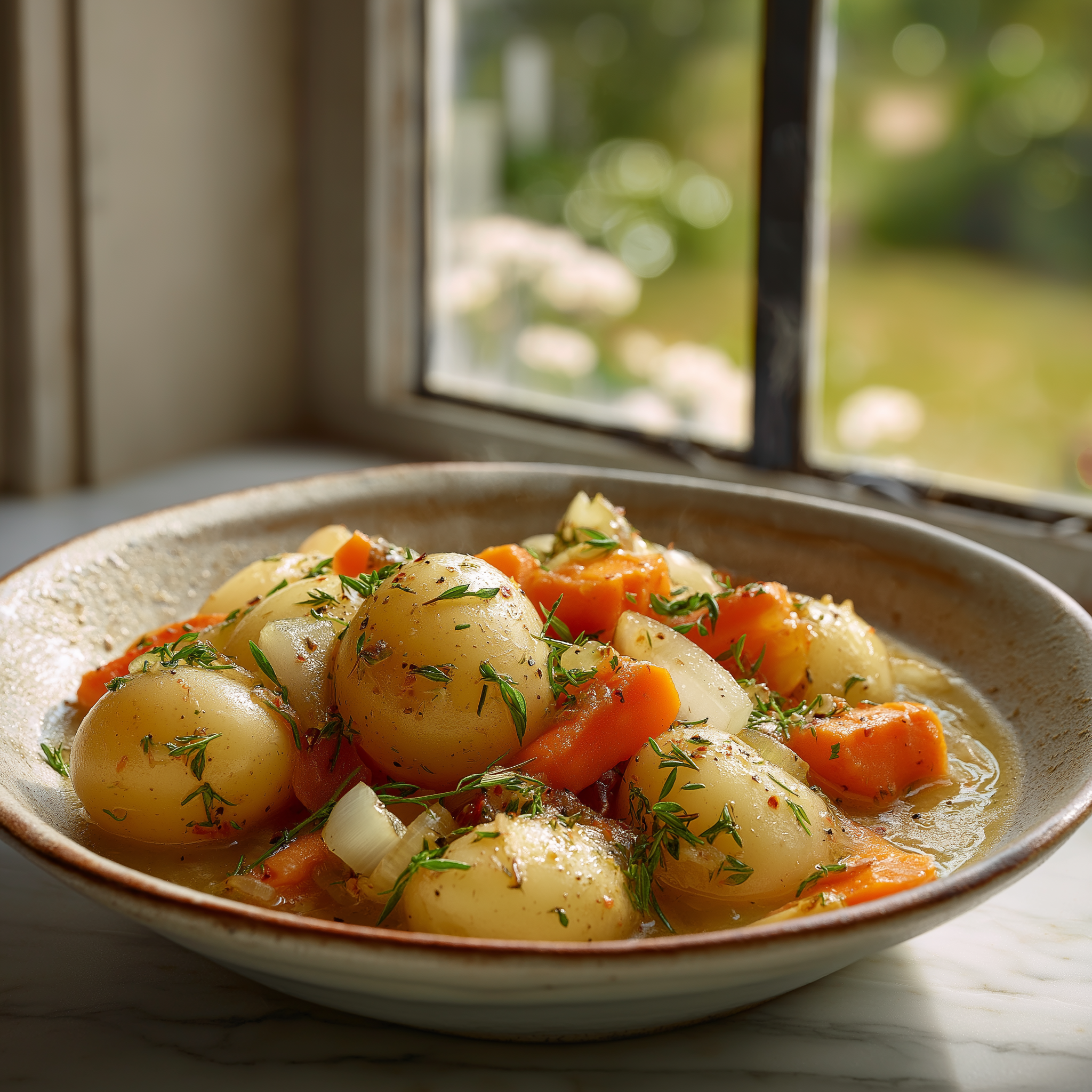
The slurry goes in slowly — add it stirring continuously or you get lumps. Cornstarch gives a cleaner, glossier finish than flour. The sauce should coat the potatoes, not drown them. Stir gently or you will mash them by accident, which is a different dish.
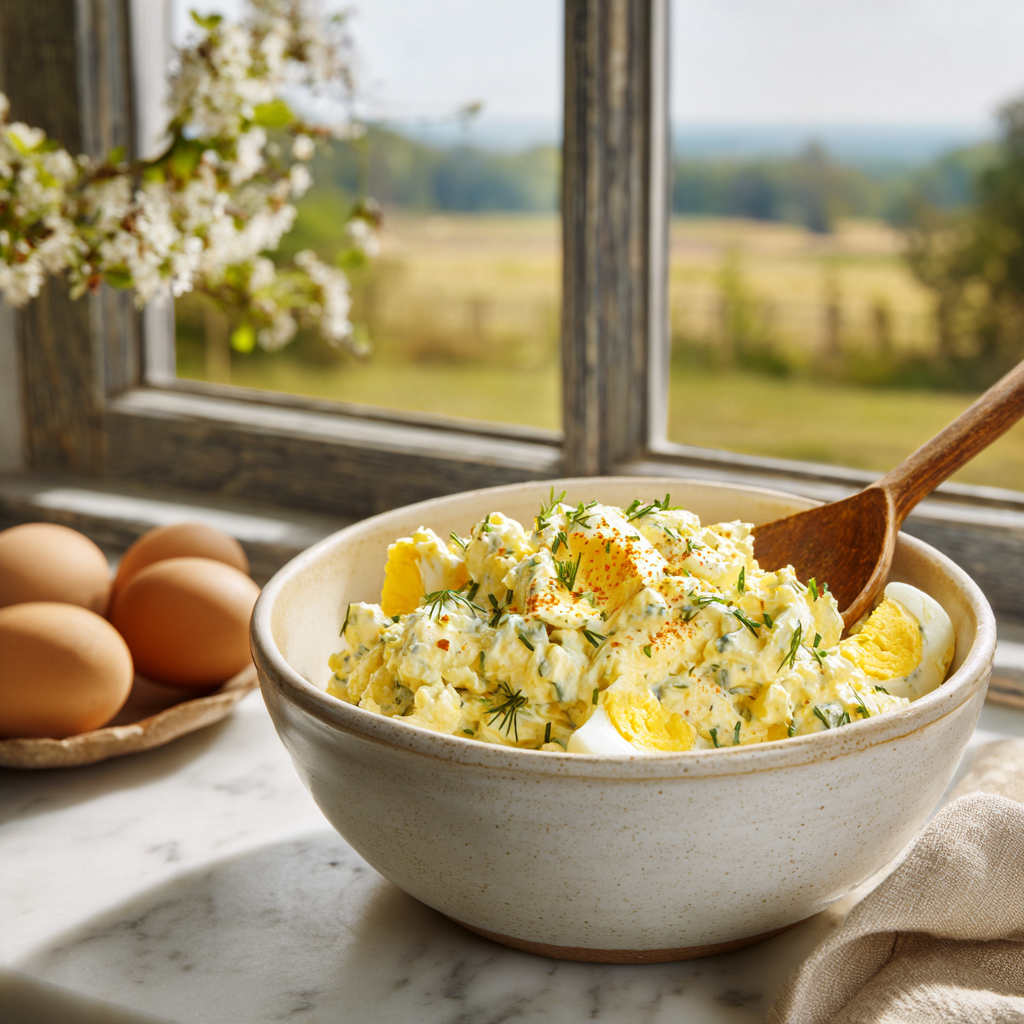
Both mustards are non-negotiable — stone ground for texture and body, Dijon for sharpness. Fresh herbs only. Chill time is not optional; the flavors meld completely and the texture tightens. Paprika is a finishing gesture, not a commitment.
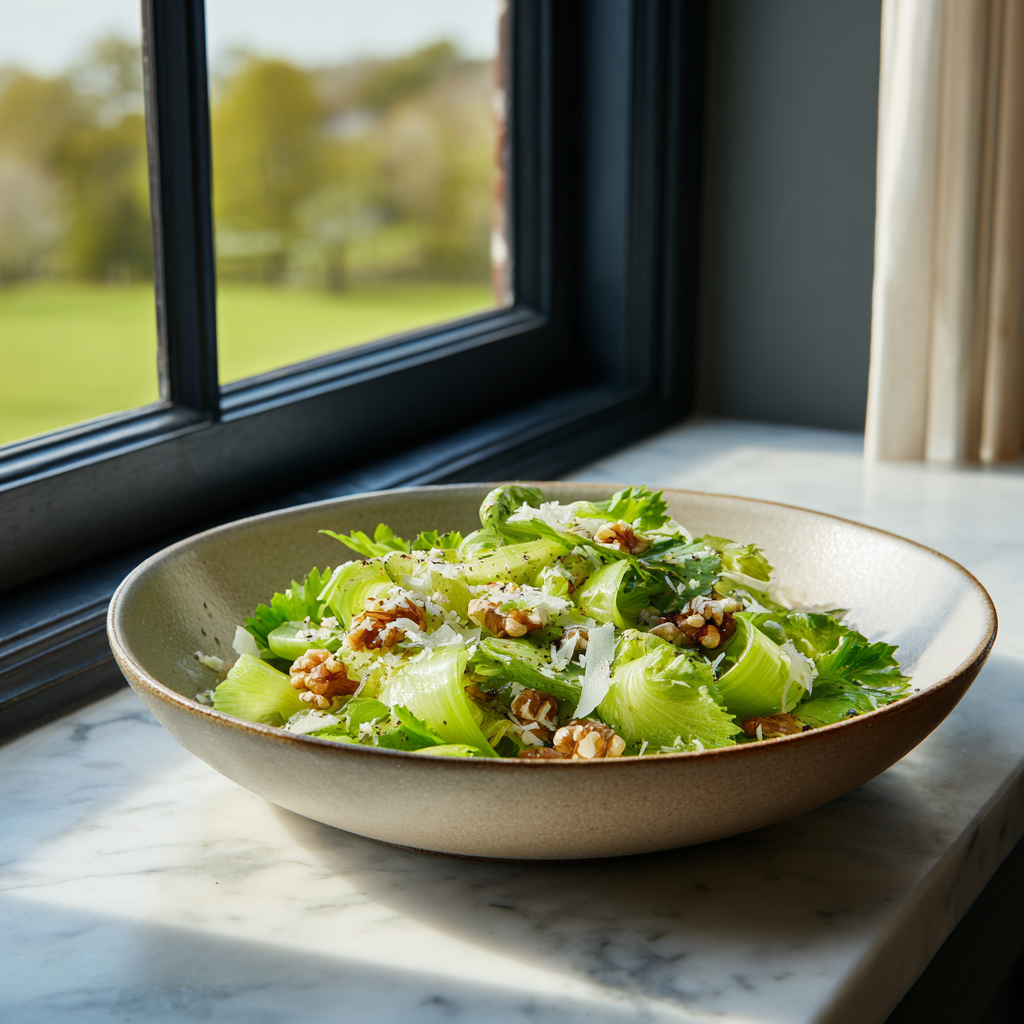
Medjool dates only — anything else is a compromise you will taste. The celery leaves are not garnish; they are part of the salad. Dress lightly and serve immediately; celery has strong opinions and wilts fast under too much dressing.
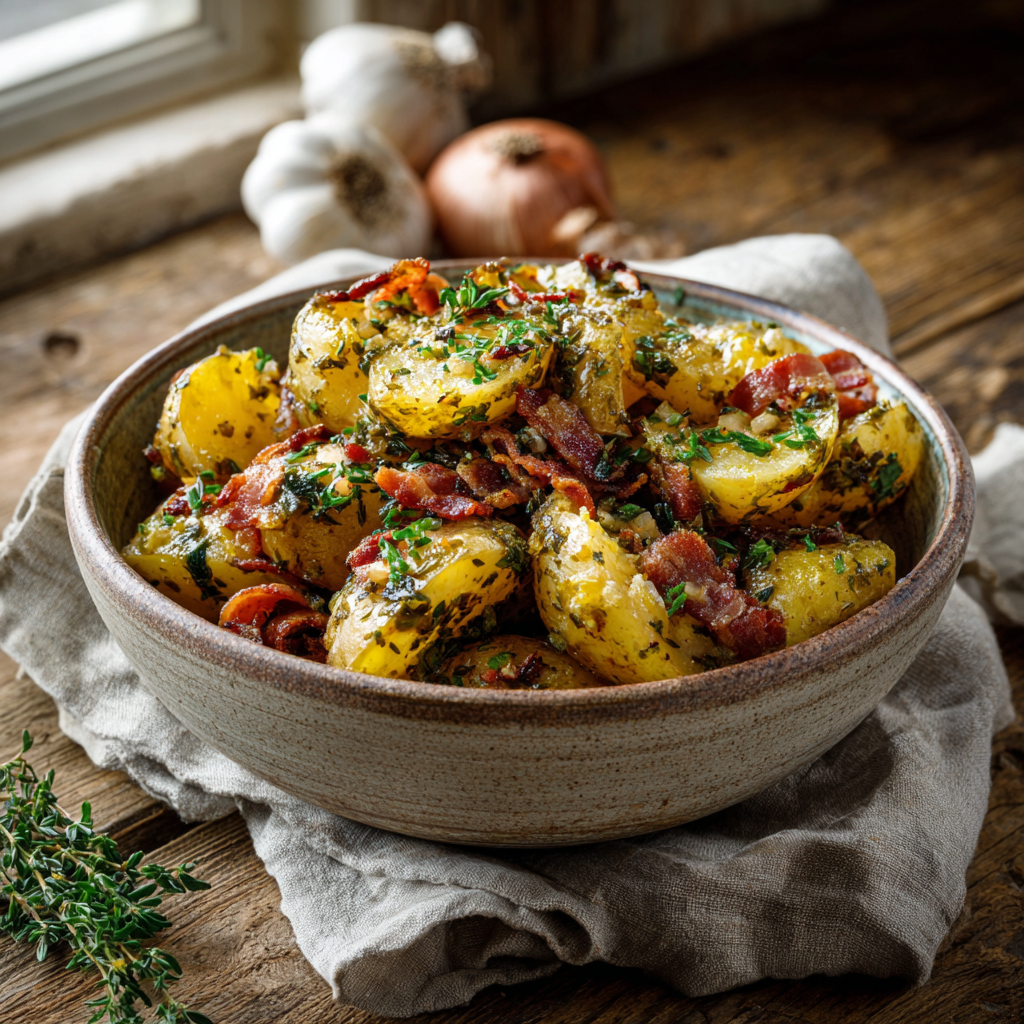
Warm potatoes absorb the dressing; cold potatoes repel it. Slice them while they’re still hot. Keep the bacon fat — this is not a cleanse, this is flavor. Never serve this cold; it is a completely different and worse dish cold.
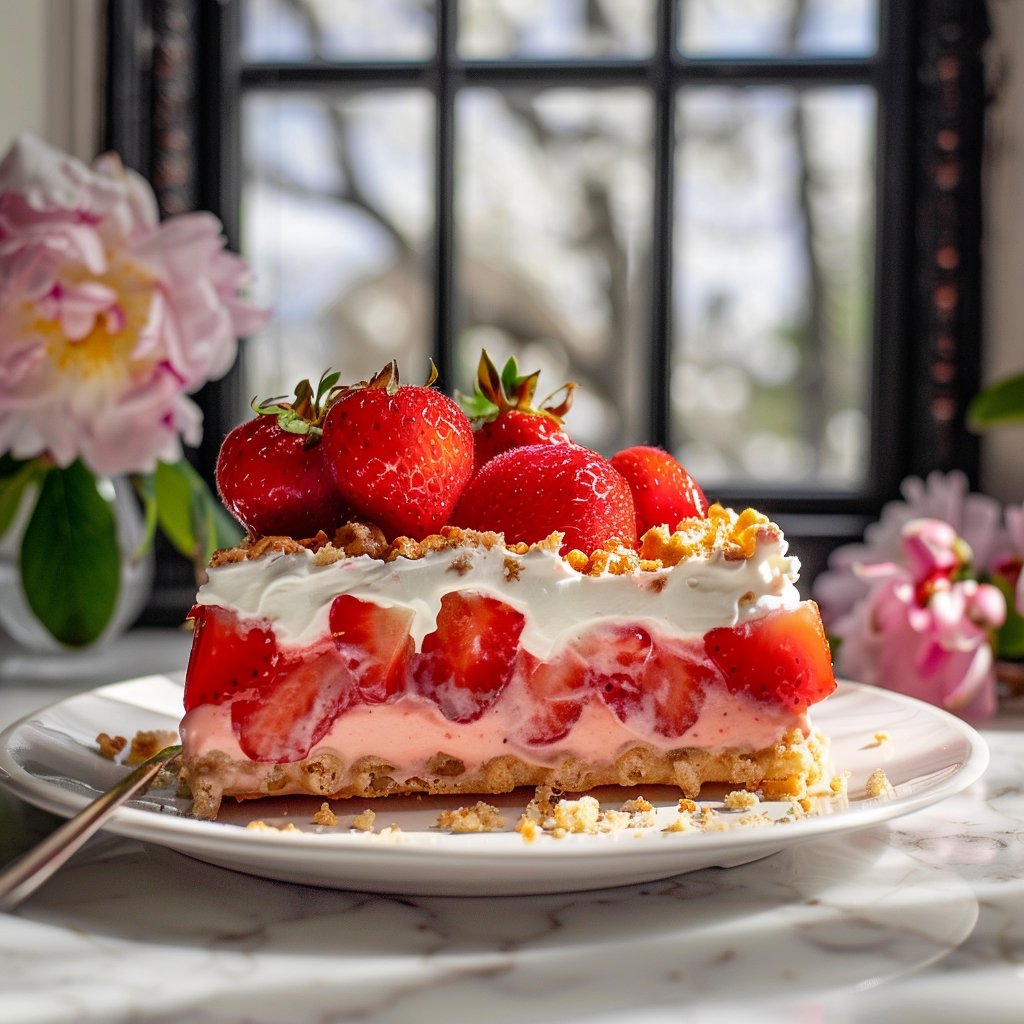
Seal the cream layer all the way to the edges — any gap and the gelatin seeps under and soaks the crust. Hot gelatin melts the cream layer; let it cool to room temperature first before pouring. Four hours minimum in the fridge, overnight preferred.
Instant pudding powder whipped into the cream is the professional move — it stabilizes the cream so it holds overnight without weeping or collapsing. One tablespoon changes everything.
GF box cake is dry by design. The extra egg yolk adds richness; swapping water for cream adds fat and flavor; the extra vanilla masks any GF flour taste. Do all three and it is a genuinely good cake, not a compromise.
Two tablespoons of lavender syrup in the cream is subtle. That is intentional. Taste before adding more — lavender tips from elegant to floral soap faster than you expect.
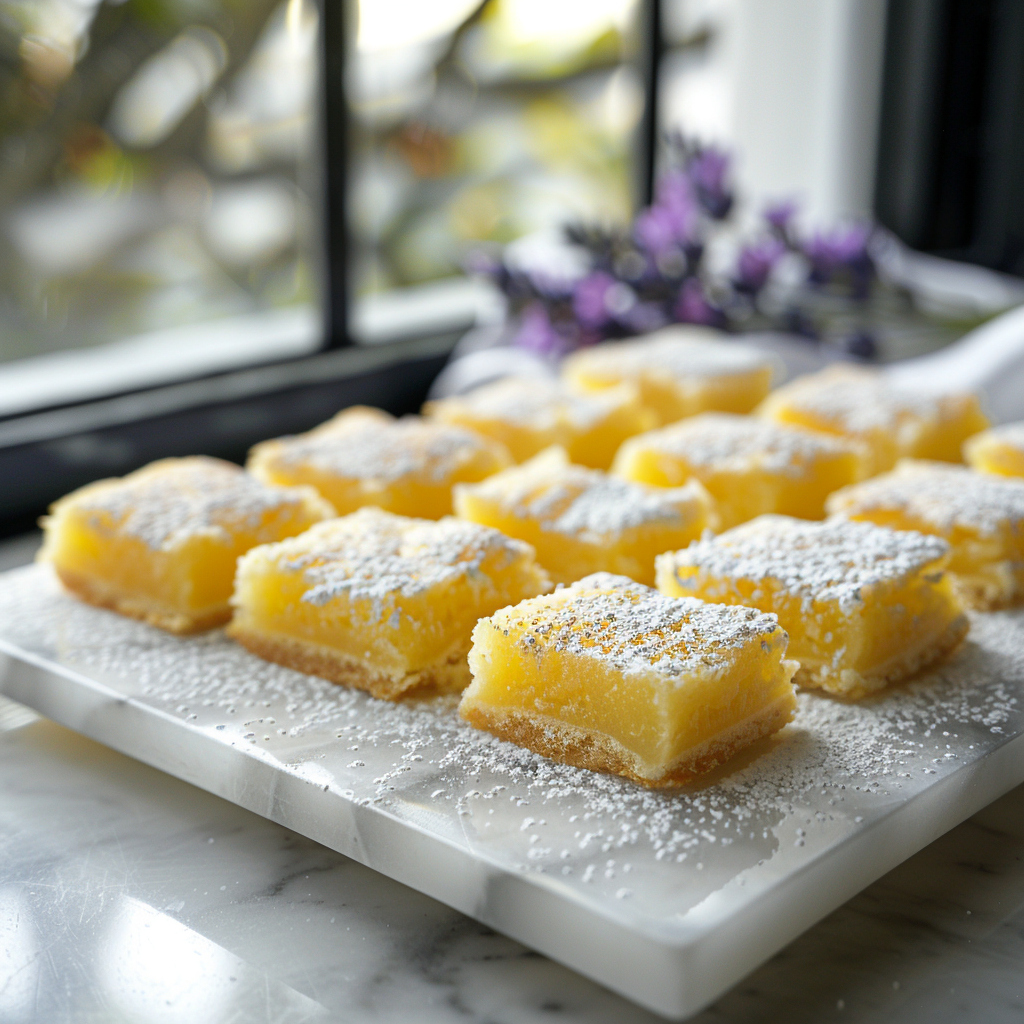
A slight jiggle in the center at pull time is exactly right — it sets completely as it cools. Overbaked lemon bars are rubbery. Cool completely before cutting or the filling runs. Fresh lemon juice only; bottled has a cooked, flat flavor that shows.
Par-bake the crust. GF flour crusts do not set under a wet filling the way wheat does. Without par-baking, the bottom stays raw and gummy. Those 12 minutes build the structure the filling needs.
Press, do not roll. GF shortcrust is more fragile than wheat and cracks when rolled thin. Pressing directly into the pan gives you the same result without the frustration.
Cornstarch in the rhubarb is load-bearing. It thickens the released juice so it doesn’t waterlog the crust, and gives the filling a clean set. Do not substitute flour here.
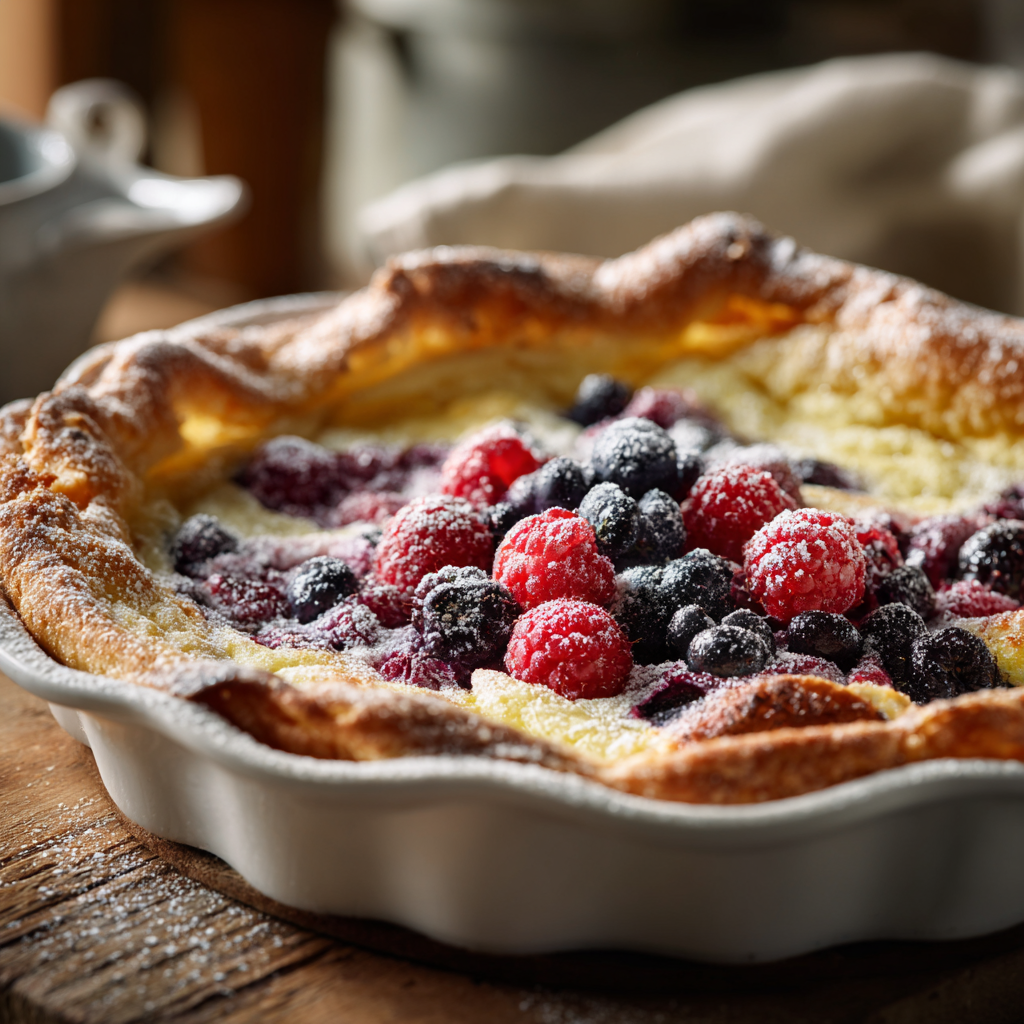
GF baked goods brown faster than wheat because rice and tapioca starches respond to heat differently. If your oven runs hot, check at 40 minutes. A slight jiggle is correct — the custard finishes setting as it cools.
Cool completely before cutting — minimum one hour, two is better. GF starches need time to set after the oven. Cutting warm produces a beautiful mess and nothing else.
Bob’s Red Mill GF 1:1 includes xanthan gum, which replaces the structural role of gluten. Do not use a blend without it unless you add 1/4 tsp yourself. Almond flour and coconut flour are not substitutes — they behave differently at a molecular level and will not give you kuchen.
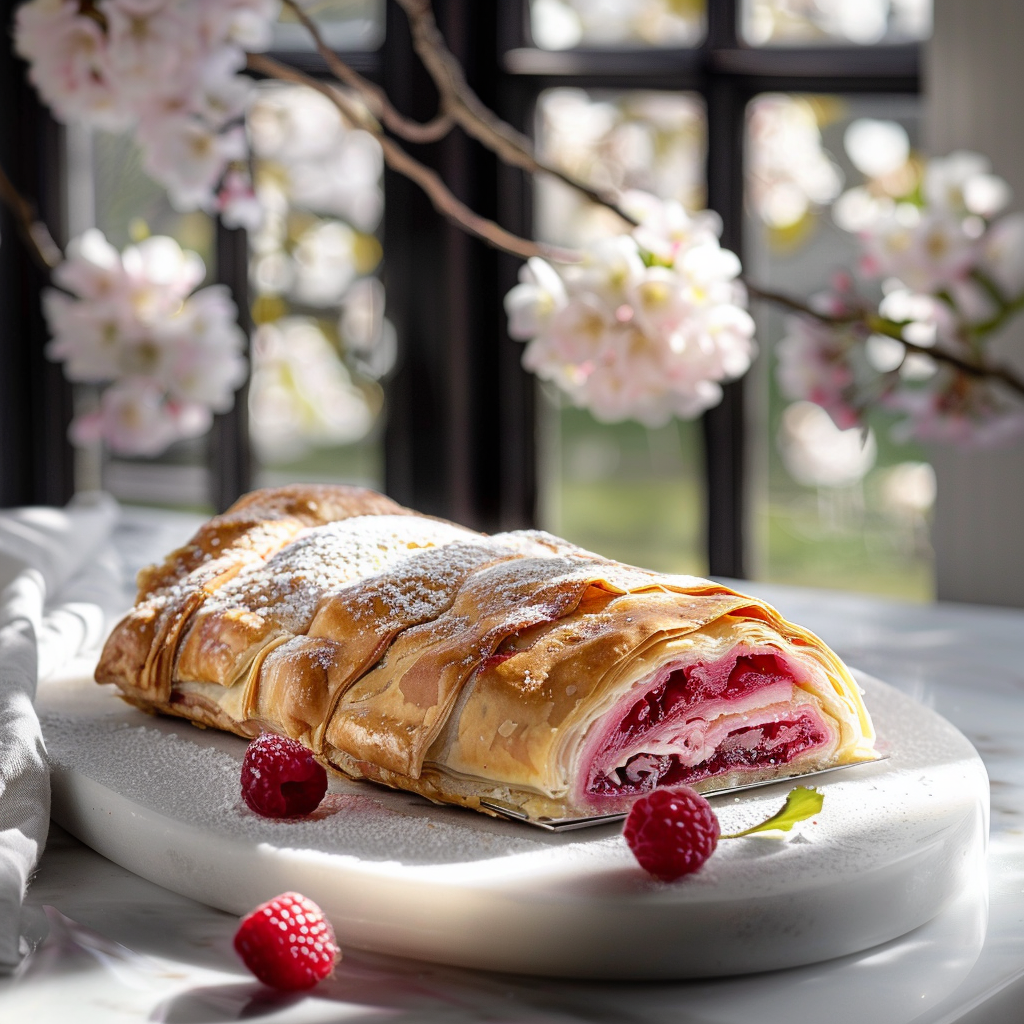
The extra xanthan gum is structural — standard 1:1 blends have enough for cookies but a strudel needs to hold its shape through filling, folding, and heat. The additional gum provides that grip without making the dough gummy.
Apple cider vinegar tightens the protein structure in GF dough the same way it would in wheat. One teaspoon, barely perceptible in flavor, and the dough is measurably easier to handle.
Drain the filling. Rhubarb and berries release significant liquid as they macerate. Pour it off before filling the dough or it steams the bottom into a soggy layer.
Let the plastic wrap do the folding work. GF dough cannot be handled like wheat. You are directing the dough, not wrestling it.
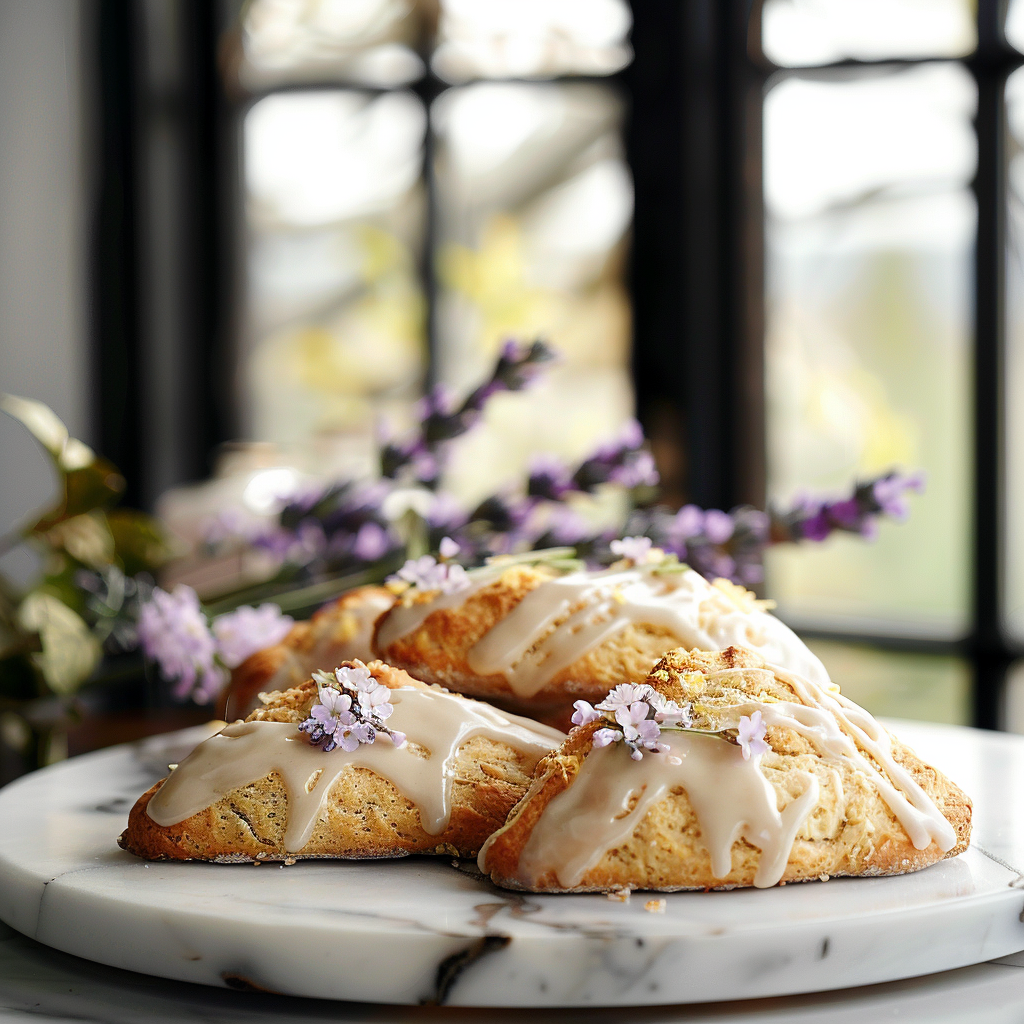
A full tablespoon of baking powder is not a typo. GF flour has no gluten network to trap gas bubbles, so the chemical leavening carries all the lift alone. Under-leavening GF scones is why most of them are dense and disappointing.
Both baking powder and soda. The soda reacts with lemon juice for immediate lift at mixing; the baking powder provides sustained oven spring. Together they do what gluten cannot.
Freeze the cut scones before baking. GF butter melts faster without a gluten structure holding it in place. Fifteen minutes in the freezer re-chills the fat and gives you proper rise and defined edges instead of a flat spread.
Heavy cream is non-negotiable. GF flour is drier and more absorbent than wheat. Milk or half-and-half produces a drier, more crumbly result. Full fat cream keeps the crumb tender. Crush the lavender finely — whole buds are a texture problem you do not want to encounter.
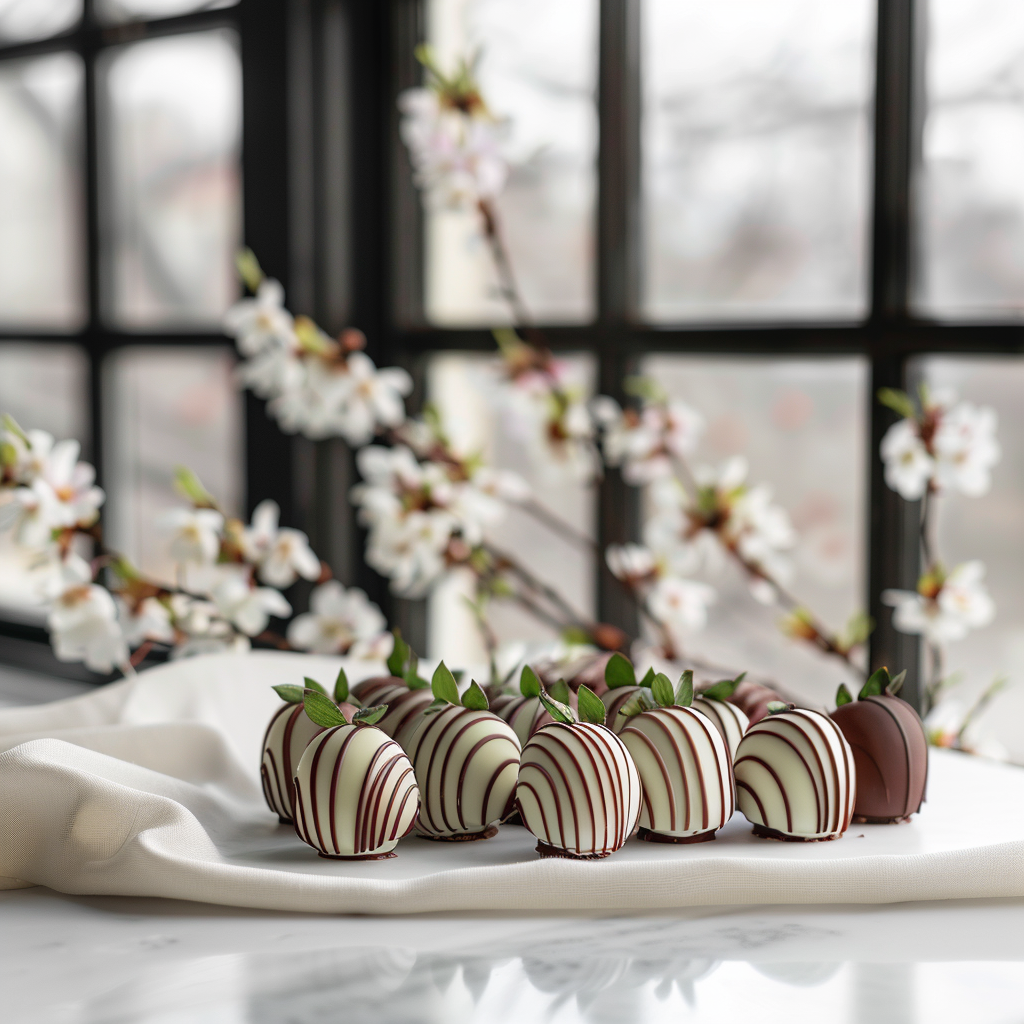
Strawberries must be completely dry. Any moisture seizes the chocolate immediately and there is no recovery from seized chocolate. Coconut oil adds a professional sheen and makes the coating snap cleanly when bitten. Do not refrigerate long term — condensation forms on the chocolate and dulls the finish.
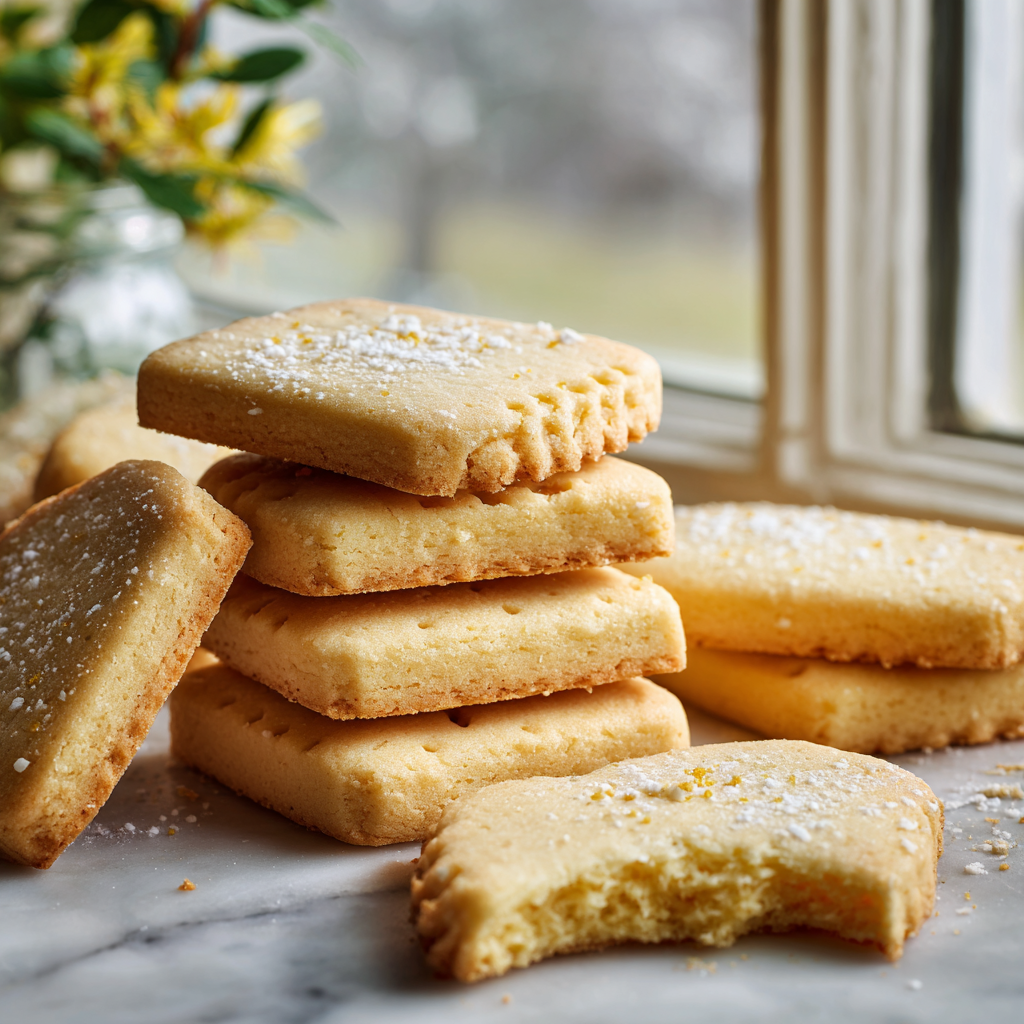
Pale is perfect — if it is golden, it is already over. GF flour browns faster than wheat; pull these early and trust the residual heat. Softened butter only; melted butter gives you flat cookies, not shortbread. Chill until firm before cutting — GF dough is softer than wheat and needs the cold to hold its shape through the oven.
Room temperature cream cheese and eggs are not optional. Cold cream cheese lumps; cold eggs shock the batter. Both cause cracking and uneven texture. Pull them out an hour before you start.
The water bath is why cheesecake is silky. Steam keeps the oven humid and the heat gentle. A cracked cheesecake almost always skipped the water bath, or had one that leaked through the foil. Double-wrap.
The oven rest is as important as the bake. A cheesecake pulled straight from a hot oven into a cold kitchen contracts too fast and cracks. The gradual cool lets it relax. Overnight in the refrigerator does the final work.
Almond extract is loud. One teaspoon is a presence; two is a perfume shop. Taste the batter before baking and adjust down if needed.
The extra egg yolk and the tablespoon of cream cheese in the base are both texture decisions for GF baking. The yolk adds fat and binding; the cream cheese adds moisture that keeps the base from going dry and grainy. Do not skip either.
The chill before baking is mandatory. Without gluten to hold structure, GF cookie dough spreads fast in the oven. Cold dough goes in with enough head start against that spread to give you a proper base with edges.
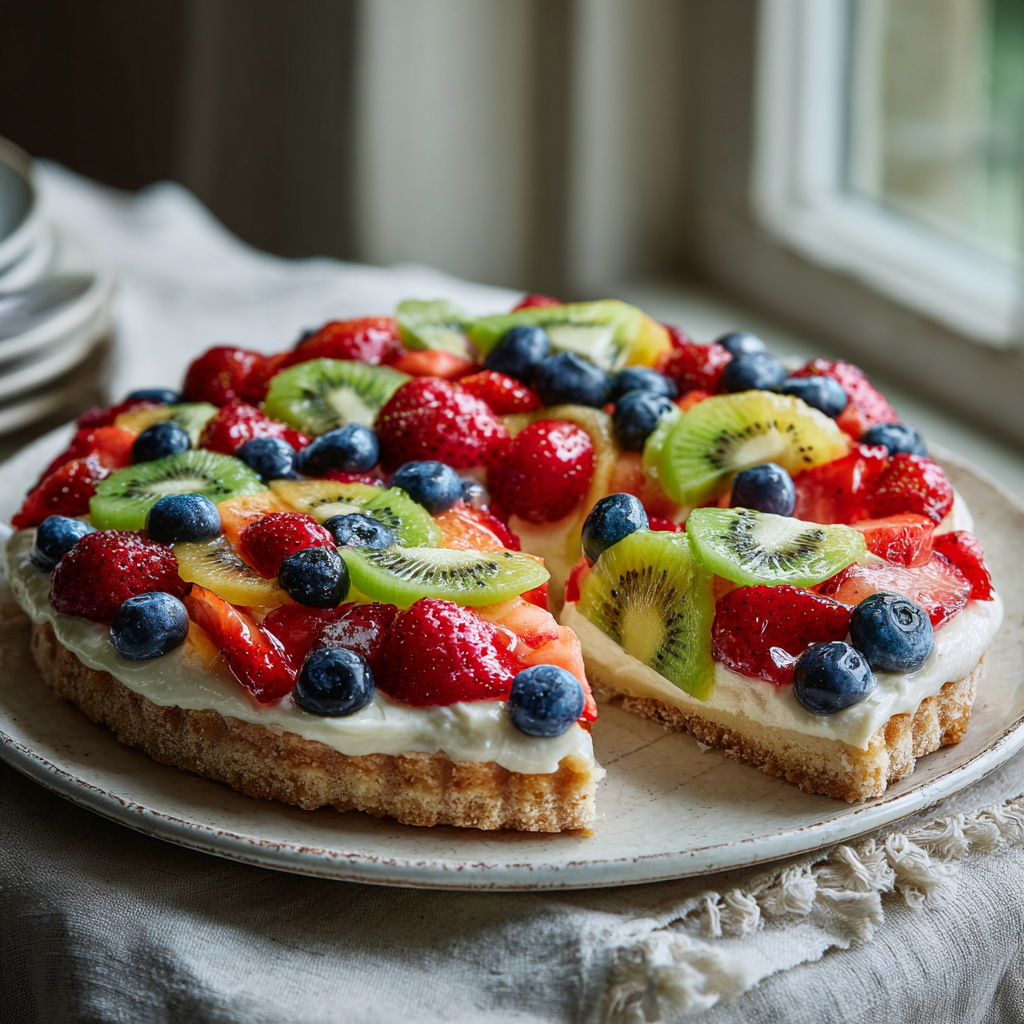
Bake to just set, not golden all over. GF flour browns faster. Pull it when the center barely looks done — it finishes setting as it cools. The apricot glaze keeps the fruit looking polished and prevents oxidizing. Serve same day; overnight produces a soggy base with no redemption.
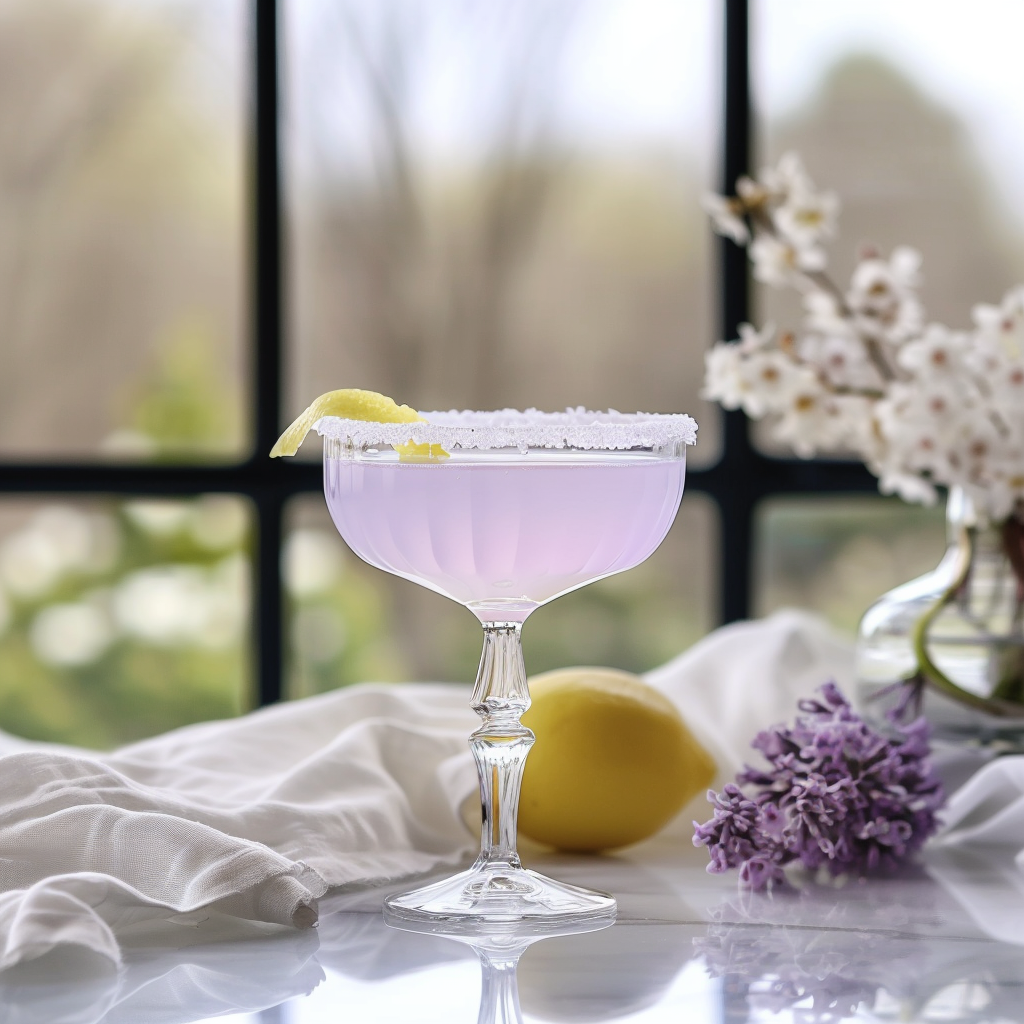
Keep the lavender light — floral, not soap. Fresh lemon only; bottled juice flattens the drink. Taste the lavender syrup before using and adjust the ounce up or down based on its strength.
Balance is everything here — taste before straining and adjust the lemon or syrup. A well-made lemon drop is tart first, sweet second. If it is sweet first, you have lemonade.
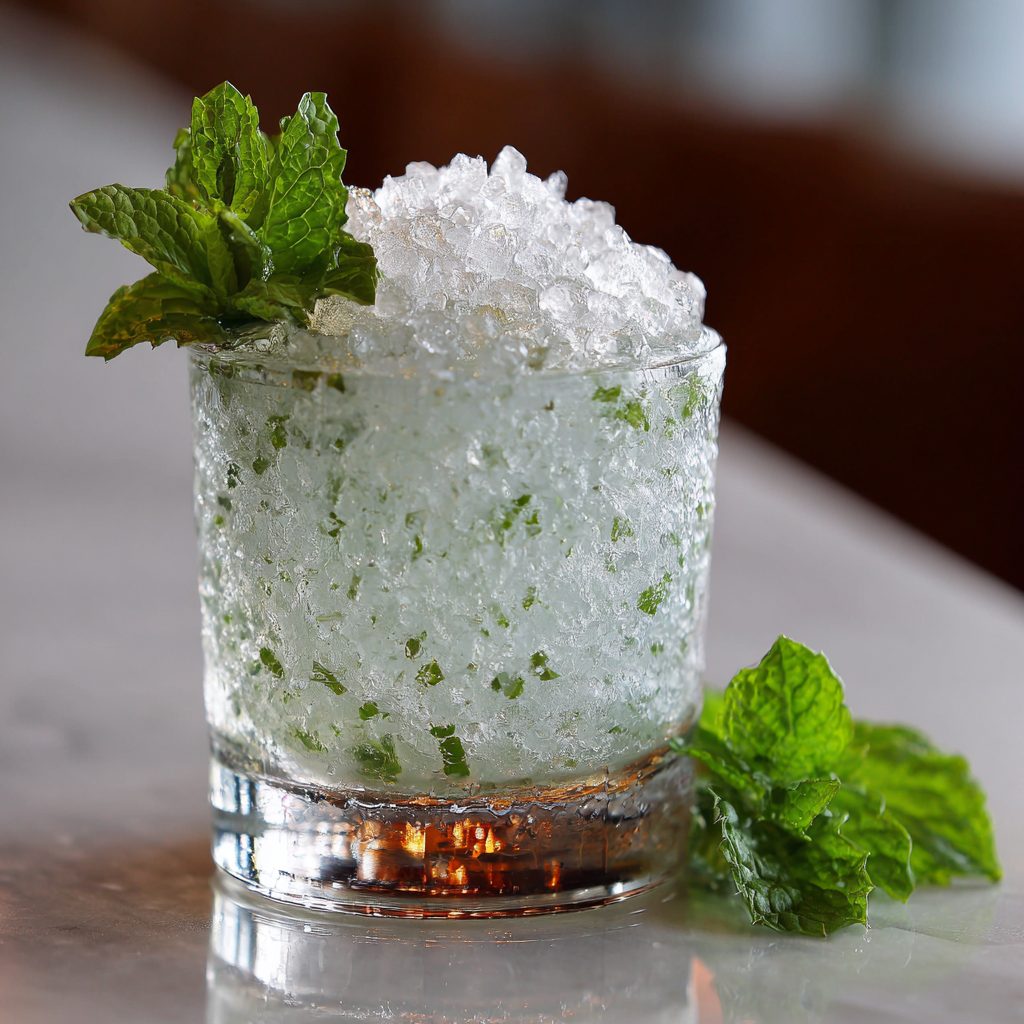
Mint is bruised, not destroyed — the goal is to release the oils, not shred the leaves into the drink. Crushed ice only; cubed ice is a different drink. The mint garnish goes in so you smell it with every sip, which is half the experience.
The orange liquèur is a background note, not a feature — too much and it takes over. A half ounce is the ceiling. The cream should be a finishing richness, not a main ingredient; a splash is measured in splashes.
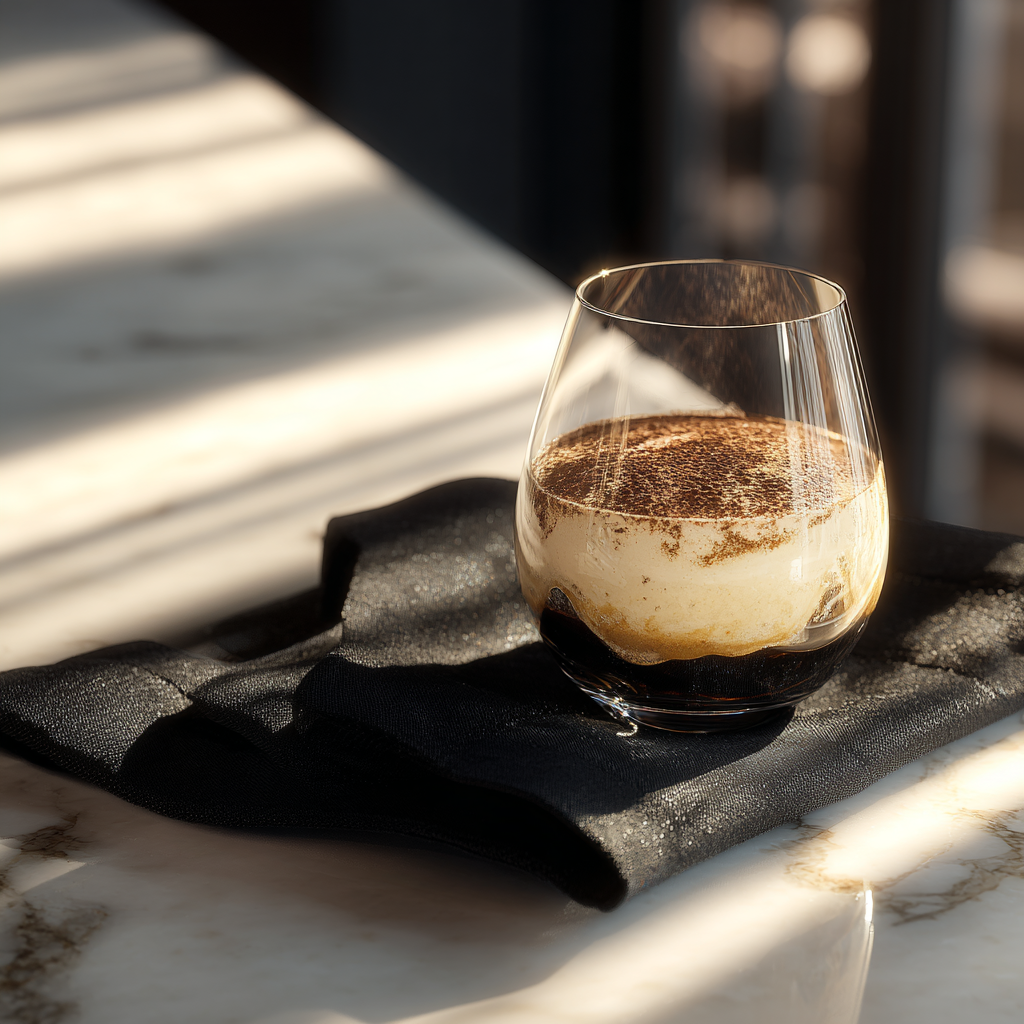
The cream float is the drama of this drink — pour too fast and it sinks and clouds the whole glass. Slowly over the back of a spoon lets it sit as a layer on top. It is visual and it is flavor. Keep the lavender light; this is already a rich drink and heavy lavender tips it into overwhelming.
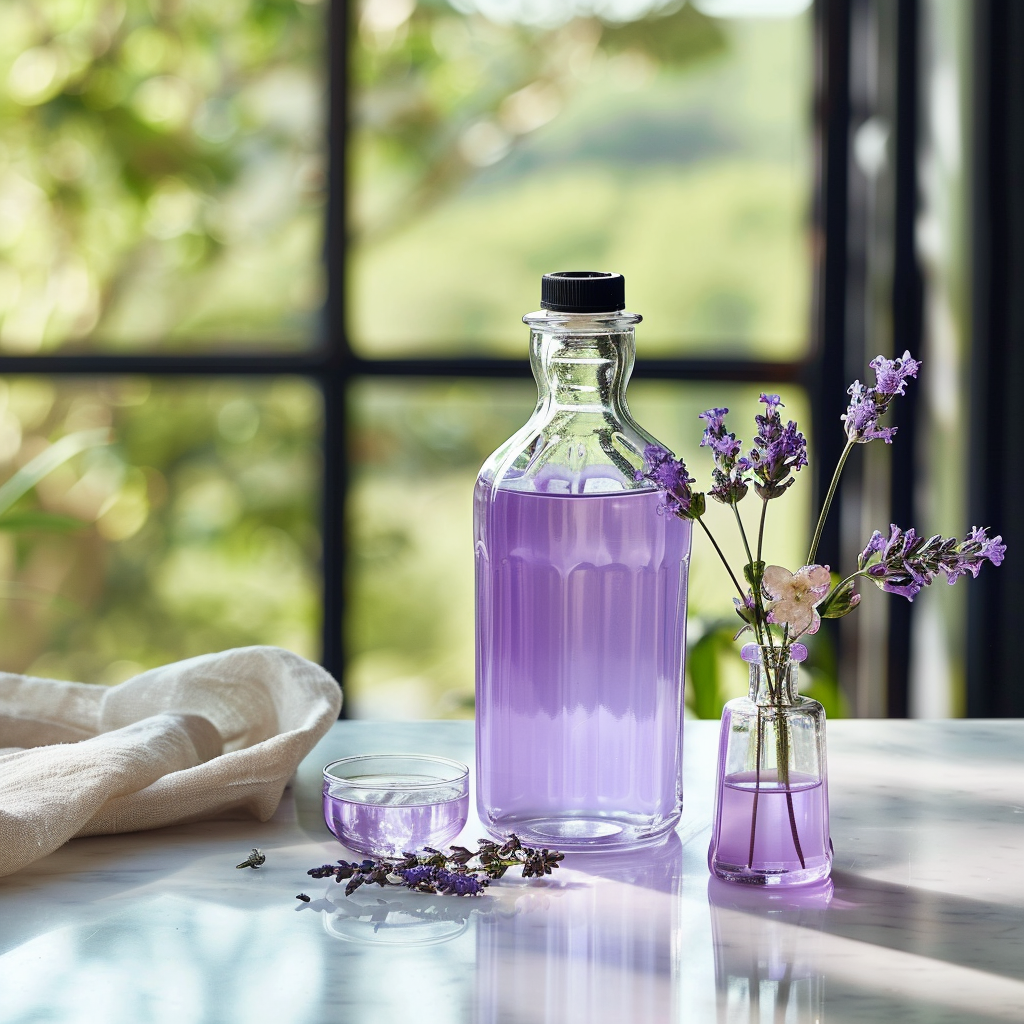
10 minutes is your control point. Taste it there. If it’s strong enough, strain immediately. If it needs more, steep another 5 minutes — not longer. Oversteeping produces a bitter, soapy syrup that ruins every cocktail it touches and cannot be corrected.
Food-grade lavender only. Decorative lavender may be treated with chemicals not intended for consumption. The difference is on the label.
Make this first, before anything else on the cocktail menu. It needs time to cool before it goes into a drink and it keeps well for two weeks.